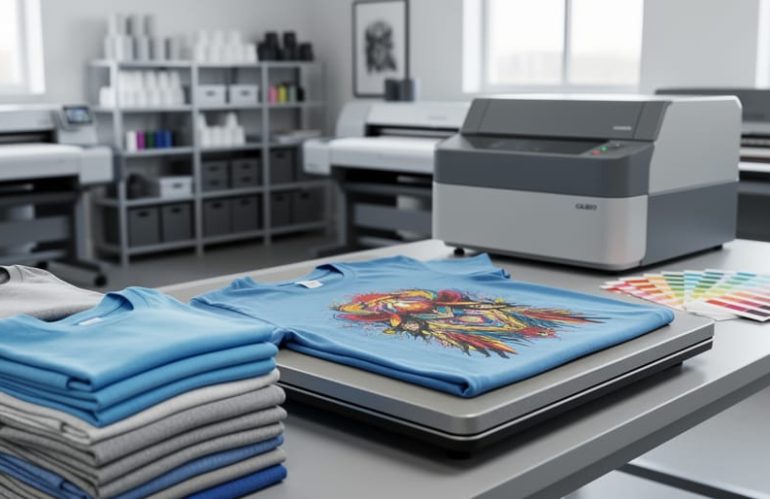
Quick printing solutions deliver custom apparel orders in days, not weeks, by combining the right printing method with streamlined workflows and upfront communication. For businesses launching a promotion, entrepreneurs building a brand, or anyone facing a tight deadline, speed matters as much as quality. The best providers offer same-day or next-day turnaround on standard orders without sacrificing print durability or color accuracy.
What makes a printing solution genuinely quick comes down to three essentials: production capacity, method selection, and inventory readiness. Screen printing excels for bulk orders when screens are prepped in advance, while direct-to-garment (DTG) printing handles small runs and complex designs on demand. Heat transfer and sublimation round out the toolkit for specialty fabrics and ultra-fast jobs. Client-focused providers go further by maintaining in-stock blanks, offering design templates, and confirming order specs before production starts.
Speed shouldn’t cost the earth, literally or financially. Eco-conscious printing solutions now pair rapid turnaround with water-based inks, energy-efficient presses, and sustainable blank inventory. You get your shirts fast and support practices that reduce waste and chemical runoff.
This guide walks you through the selection factors that matter most when time is tight, compares printing methods by speed and suitability, and highlights scenarios where each option shines. Whether you’re outfitting a team, stocking a pop-up shop, or testing a new design, you’ll learn how to avoid common pitfalls and choose a solution that balances urgency with affordability and quality.
What Makes a Quick Printing Solution Truly Client-Focused
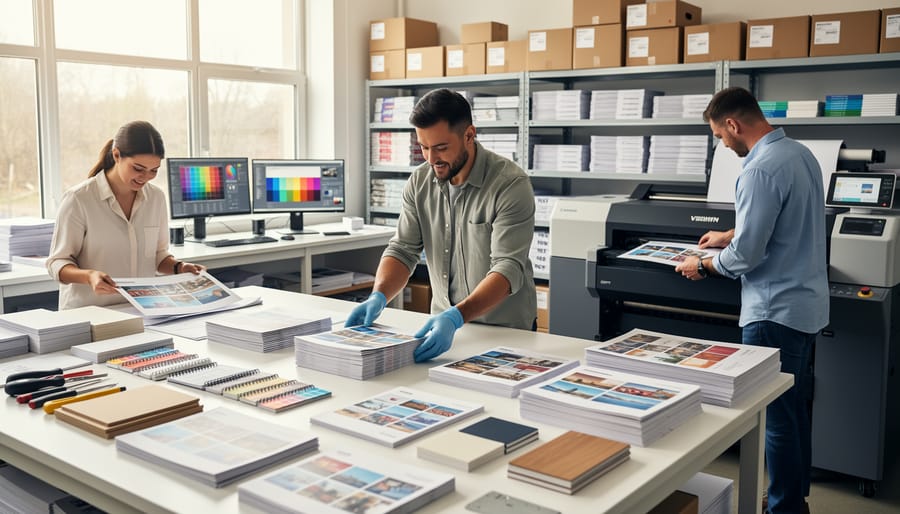
A quick printing solution earns the “client-focused” label when it consistently delivers five interconnected elements: fast turnaround without quality compromises, order flexibility that serves solo creators and businesses alike, transparent pricing with no surprise fees, reliable quality control at every production stage, and responsive customer support that actually solves problems.
Speed matters, but not at the expense of craftsmanship. Truly client-focused providers invest in modern equipment and streamlined workflows that produce crisp, vibrant prints in 24-48 hours for standard orders while maintaining the same quality standards as slower services. They understand that rushing your custom shirt order means nothing if the colors fade after three washes or the design cracks prematurely.
Order flexibility separates exceptional services from average ones. You should be able to order a single test shirt on Monday and scale to 500 units by Friday without changing providers or processes. The best solutions eliminate frustrating minimum order requirements that force small businesses and entrepreneurs to buy more than they need just to access fast production.
Pricing transparency builds trust and protects your budget. Look for providers who display clear base prices, openly list any rush fees or setup charges, and provide accurate shipping estimates upfront. Hidden costs that appear at checkout destroy the value proposition of affordable custom apparel.
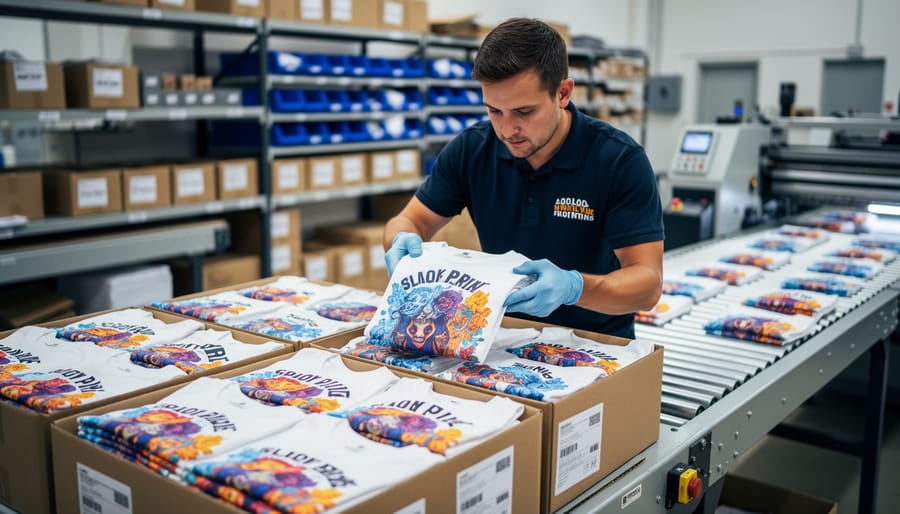
Quality consistency means every shirt meets the same standard whether you order one or one thousand. Client-focused companies implement quality checks throughout production and stand behind their work with guarantees. When problems occur, responsive customer support resolves issues quickly through direct communication channels, not automated ticket systems that leave you waiting.
Essential Factors When Choosing Your Quick Printing Partner
Turnaround Time vs. Quality Balance
When speed is your priority, understanding the true relationship between turnaround time and print quality prevents disappointing results. Most quality printing services can deliver single-item DTG orders within 24-48 hours while maintaining excellent color accuracy and detail. For comparison, screen-printed orders typically need 5-7 business days due to setup requirements, though the actual printing happens quickly once screens are prepared.
Rush orders are available, but expect trade-offs. A same-day rush might limit your fabric choices or design complexity. Printers need time for proper curing processes, rushing this step risks cracking or fading after the first wash. Legitimate quick printing solutions won’t skip quality-critical steps just to meet unrealistic deadlines.
Standard timelines exist for good reasons. DTG prints need 24 hours for proper ink curing. Screen printing setups require careful color matching and registration. When a provider promises unusually fast turnarounds at standard prices, ask specific questions about their quality control process. The best quick printing solutions are transparent about what’s realistically achievable for your specific project without cutting corners that compromise durability or appearance.
Order Size Flexibility
Order size flexibility separates client-friendly quick printing solutions from rigid commercial operations. The best providers let you order a single test shirt or 500 units without forcing you into minimums that don’t match your actual needs.
Many traditional screen printers require minimums of 24 to 50 pieces because setup costs make smaller runs unprofitable for them. That model doesn’t work if you’re testing a new design, fulfilling a one-off corporate gift request, or running a lean print-on-demand business. Direct to garment printing changed this landscape by eliminating setup requirements, making single-item orders economically viable at speeds comparable to bulk runs.
Minimum order requirements directly impact both your wallet and timeline. A provider demanding 48 shirts when you need 12 forces you to overspend or look elsewhere. Conversely, scalable solutions maintain consistent per-unit pricing and turnaround whether you order one shirt or one hundred, giving you the freedom to grow organically.
Look for transparent tier pricing that shows exactly how per-unit costs decrease with volume. Affordable doesn’t mean cheap, it means fair pricing at every order size, letting small businesses and individuals access the same quality standards as large corporate clients without artificial barriers.
Printing Method Compatibility
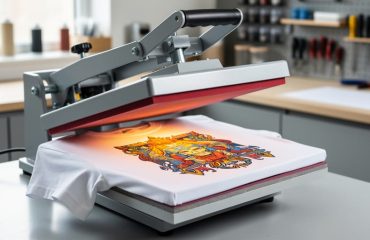
The printing method you choose directly determines how quickly you’ll receive your order and what’s possible with your design. Direct to garment (DTG) printing excels for detailed, multi-color artwork on cotton and cotton blends, typically delivering finished items within 2-3 business days. It’s your best bet when you need photographic quality or intricate designs fast, though performance varies on synthetic fabrics.
Screen printing requires setup time that can add 3-5 days to your timeline, making it slower for initial orders. However, it works beautifully across nearly all fabric types, cotton, polyester, blends, and even performance materials. The method handles bold, simple designs exceptionally well and becomes faster per shirt once screens are prepared. If you’re ordering the same design repeatedly, subsequent batches arrive much quicker.
Embroidery takes longest, usually 5-7 business days, but delivers unmatched durability and premium appearance. It works on thick fabrics like hoodies and jackets where other methods struggle. Keep designs relatively simple; extremely detailed artwork doesn’t translate well to thread.
Match your method to your fabric choice and design complexity first, then factor in how urgently you need delivery. Rush fees can accelerate any method, but smart matching eliminates unnecessary waiting.
Pricing Transparency and Hidden Costs
When evaluating quick printing providers, demand clear itemized quotes before committing. Reputable companies display per-unit costs, setup fees, and shipping charges upfront, not buried in checkout fine print. Watch for “rush order” premiums that can double your cost; some providers build speed into their standard workflow without penalties.
Setup charges for screen printing typically range from $15-50 per color but disappear with direct-to-garment printing for small runs. Compare total project cost, not just the base shirt price. Quality printing shouldn’t require premium pricing, transparent providers offer competitive rates by streamlining operations and reducing waste rather than cutting corners on materials or workmanship.
Ask specifically about file preparation fees, color matching charges, and expedited shipping tiers. The cheapest quote often hides costs that surface later, while truly affordable solutions balance fair pricing with consistent quality and honest timelines.
Environmental Responsibility
Look for providers who use water-based inks instead of plastisol, they’re gentler on the environment without adding production time. Ask whether the company offers organic cotton or recycled fabric options; many quick printing solutions now stock sustainable materials that print just as fast as conventional ones.
Check if your printer minimizes waste through digital proofing rather than physical samples, and whether they recycle fabric scraps and misprints. Some providers have invested in energy-efficient equipment that reduces their carbon footprint while maintaining speed.
Don’t assume eco-friendly means slower. Modern sustainable printing technologies often work faster because they require less curing time and simpler cleanup processes. A truly client-focused printer will clearly communicate their environmental practices upfront, if you have to dig for information about their sustainability efforts, that’s a red flag.
Types of Quick Printing Solutions Compared
Direct to Garment (DTG) Printing
DTG printing uses specialized inkjet technology to apply designs directly onto fabric, making it the go-to choice when you need one shirt tomorrow instead of next week. Unlike screen printing’s setup-intensive process, DTG requires no screens or color separations, your design file goes straight to the printer, which deposits water-based ink fiber by fiber into the garment.
Turnaround times for DTG typically range from same-day to 48 hours for standard orders, depending on your provider’s queue and your design’s complexity. Rush orders can often ship within 24 hours. This speed comes from minimal prep work: upload your design, approve the digital proof, and production begins immediately.
Color capabilities are virtually unlimited with DTG. The technology handles photographic prints, gradients, and intricate details that would be impractical or impossible with screen printing. Whether you need a single custom anniversary shirt or ten different designs for a small event, DTG processes each piece individually without penalty.
For entrepreneurs testing product ideas or running print-on-demand businesses, DTG eliminates the financial risk of bulk orders. You can fulfill customer orders one at a time, validating designs before scaling up. The per-unit cost stays consistent whether you order five shirts or fifty, making it ideal for businesses prioritizing flexibility over volume discounts.
Screen Printing
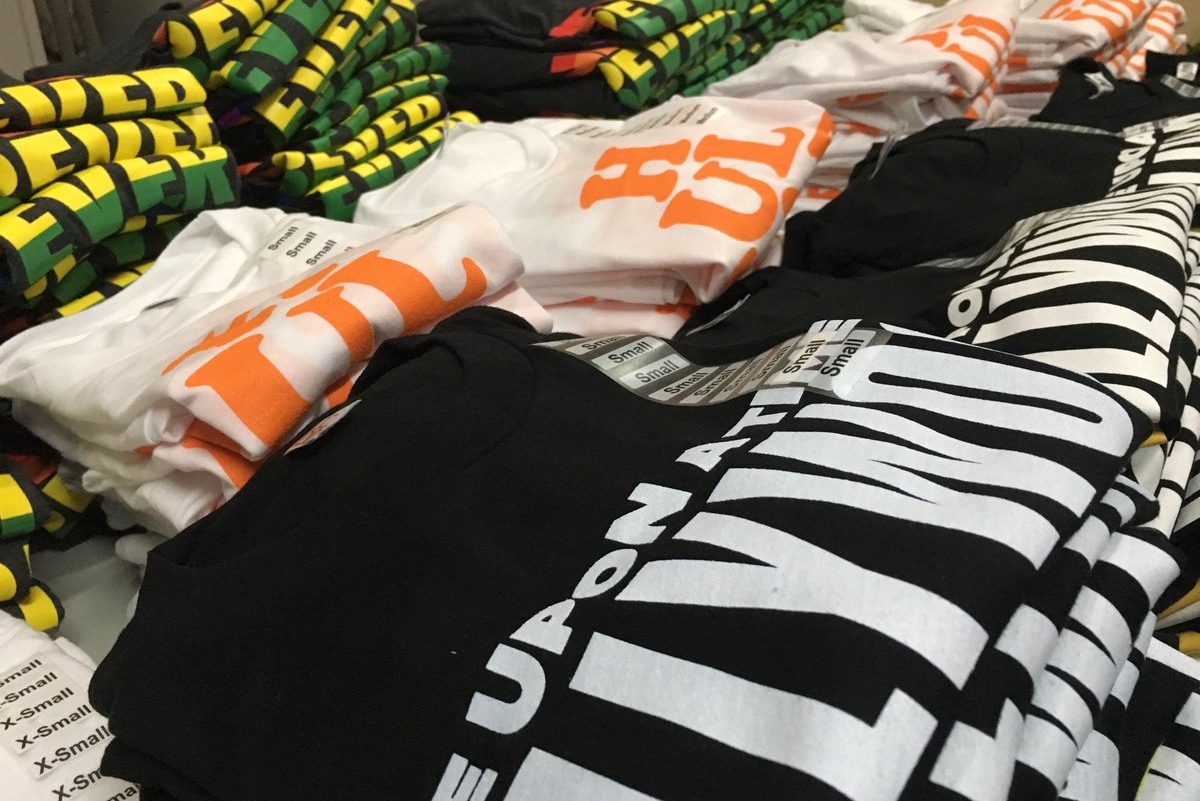
Screen printing delivers exceptional speed and cost-efficiency once production begins, making it the preferred choice for orders typically exceeding 24-50 pieces. The method requires upfront setup time to create screens for each color in your design, which usually adds 2-5 business days to your initial turnaround. However, this investment pays significant dividends on larger quantities, after screens are prepared, experienced printers can produce 100-200 shirts per hour.
The math works in your favor as order size increases. While a 12-piece DTG order might cost $15-20 per shirt, that same design screen printed on 100 shirts often drops to $8-12 each, with the per-unit price continuing to fall on orders of 250 or more. Screen printing also excels with bold, simple designs using one to four colors on consistent fabric types like cotton or cotton-poly blends.
For businesses placing repeat orders, many providers store your screens for future runs, eliminating setup time entirely and turning screen printing into a genuinely quick solution. The prints themselves offer superior durability and vibrant colors that withstand hundreds of wash cycles without fading, a quality advantage that justifies the initial timeline for the right applications.
Embroidery
Embroidery stands out as the premium option when durability trumps speed. Typical turnaround runs 7-10 business days for standard orders, longer than DTG or screen printing, because each stitch requires precision stitching time. The payoff? Apparel that withstands hundreds of washes without fading or cracking.
This method excels for corporate branding on polos, jackets, and hats where a raised, textured logo conveys professionalism. Medical practices, law firms, and hospitality businesses favor embroidery because it maintains sharp detail on heavyweight fabrics that other methods struggle with. The thread’s dimensionality creates visual impact that flat prints can’t match.
Rush embroidery is possible but costs more and works best for simpler designs with fewer color changes. Each thread switch adds setup time. If you need 50 embroidered uniforms by Friday, you’ll pay premium rates, but for planned campaigns or ongoing corporate needs, the timeline works fine.
Design complexity matters here. Intricate artwork with gradients won’t translate well, but clean logos with solid colors and bold text produce exceptional results. Embroidery’s longevity justifies the wait for items meant to last years, not months.
Quick Printing Recommendations for Different Needs
If you’re launching an online merch store, DTG printing is your best friend. It handles single orders without setup fees, lets you test designs without committing to inventory, and ships fast enough to keep customers happy. This approach fits perfectly into a custom shirt strategy that adapts to market demand rather than forcing you to guess which designs will sell.
Event planners facing tight deadlines should lean on screen printing for orders over 50 shirts. While setup takes a day, production speeds up dramatically once screens are ready, making it the clear winner for corporate events, conferences, or team-building activities happening within two weeks. Request samples upfront to verify colors match your brand guidelines.
Small businesses building consistent brand inventory benefit from splitting their approach. Use screen printing for your core designs in standard sizes (those polo shirts every employee needs), then supplement with DTG for special requests, new hire sizes, or testing seasonal summer promotion shirts before committing to larger runs.
Here’s how different customer types should approach quick printing:
- Entrepreneurs starting print shops: Start with DTG to avoid inventory risk, then add screen printing once you identify your best sellers
- Event planners with tight deadlines: Screen printing for quantities over 50, DTG for last-minute changes or small VIP batches
- Small businesses building brand inventory: Combine methods using a layering strategy where screen printing handles core items and DTG covers customization
- Individuals needing one-off custom items: DTG exclusively for single shirts, family reunion tees, or personal gifts
Nonprofits and community groups running fundraisers should request pricing at the 25, 50, and 100 quantity breakpoints. Screen printing becomes cost-effective around 30 shirts, potentially doubling your fundraising margin compared to DTG at that volume. For creative custom apparel ideas that involve complex artwork or photo-quality images, stick with DTG regardless of quantity since setup costs for detailed screen printing can erase any per-unit savings.
Retail shops adding custom printing services should invest in both DTG capability for walk-in customers wanting same-day turnaround and establish relationships with screen printers for scheduled bulk orders. This dual approach maximizes your revenue opportunities without tying up capital in equipment you’ll only use occasionally.
Common Mistakes to Avoid When Ordering Quick Prints
Rushing into a quick printing order without doing your homework can turn an exciting project into a costly disappointment. One of the biggest traps is sacrificing quality for speed, accepting washed-out colors, rough textures, or prints that crack after a few washes just to shave off a day or two. Quality and speed aren’t mutually exclusive with the right printing partner, so don’t settle for subpar results.
Another critical error is failing to pin down turnaround guarantees in writing. “Quick” means different things to different providers. Get specific delivery dates confirmed before you commit, especially if you’re working toward an event deadline or a product launch. Vague promises like “usually within a week” leave too much room for missed expectations.
File preparation requirements catch many first-time customers off guard. Submitting low-resolution images, incorrect color profiles, or unsuitable file formats can delay your order significantly while the printer requests corrections. Ask upfront what file specs you need, most quick printing solutions require high-resolution PNG or vector files for best results.
Skipping sample options is another misstep. Even with rush timelines, many providers offer digital mockups or physical samples for a small fee. This step helps you catch design issues, verify colors, and confirm fabric quality before committing to a full production run. It’s worth the brief delay to avoid reprinting an entire order.
Finally, many customers forget to ask about eco-friendly practices when speed is the priority. Sustainable printing methods using water-based inks and responsible waste management don’t necessarily slow down production. If environmental responsibility matters to you, or aligns with your brand values alongside seasonal style content, clarify these practices during your initial conversations. Quick doesn’t have to mean wasteful, and affordable solutions can still respect the planet while delivering on time.
Frequently Asked Questions About Quick Printing Solutions
How fast is “quick” printing actually?
Quick printing typically means turnaround times of 1-3 business days for standard orders, though some providers offer same-day or next-day service for single items or small batches. The actual speed depends on the printing method, order size, and whether you need design work completed first.
Does faster printing always cost more?
Not necessarily. While rush fees apply for same-day or overnight service, many quick printing solutions use efficient methods like DTG that keep standard 1-2 day turnarounds affordable without premium charges. The key is finding providers who’ve built their entire workflow around speed rather than treating it as a special service.
Will rush orders compromise the quality of my prints?
Quality shouldn’t suffer with legitimate quick printing solutions. Reputable providers maintain the same quality standards regardless of speed because they use methods designed for rapid production. However, unrealistic timelines or providers who don’t specialize in fast turnarounds may cut corners, so always review samples and guarantees before ordering.
What’s the fastest printing method for a single custom shirt?
Direct to garment printing wins for single items, often completing orders within hours to one business day. Screen printing requires setup time that makes it impractical for one-offs, while embroidery takes longer due to the stitching process.
These answers reflect what you should expect from client-focused quick printing services in 2026. Speed and quality work together when you choose providers who’ve invested in the right equipment and streamlined their processes specifically for fast custom apparel production. Don’t settle for vague promises about turnaround times. Ask specific questions about production schedules for your order size, request proof samples if quality concerns you, and confirm all costs upfront including any rush fees. The best quick printing partners answer these questions confidently because they’ve built their entire business model around delivering exactly what you need, when you need it, without surprises.
Choosing the right quick printing solution comes down to finding a partner who balances speed with quality and affordability. The best client-focused services understand that fast turnaround doesn’t mean cutting corners on print durability or color accuracy. They offer transparent pricing, flexible order sizes, and the printing method that matches your specific project, whether that’s DTG for one-off designs or screen printing for bulk orders.
Don’t overlook environmental responsibility in your decision. Water-based inks and sustainable practices prove that eco-friendly printing can be just as fast and affordable as conventional methods. For entrepreneurs, print-on-demand opens exciting opportunities to launch custom apparel businesses without inventory risk or upfront costs.
Take time to evaluate providers based on the factors we’ve covered: realistic turnaround guarantees, quality samples, pricing clarity, and genuine customer support. The right printing partner will grow with your needs, delivering consistent results whether you’re ordering a single shirt or hundreds.
Your perfect quick printing solution exists. It’s the one that respects your timeline, budget, and vision while supporting the values that matter to you.